
 Add Us As A Trusted Google Source
 The Shenandoah Valley stands as one of the significant corridors of Civil War history in Virginia, where pivotal battles shaped the course of American history. At the heart of this historic region lies Waynesboro, a charming town that witnessed the final chapter of Confederate resistance in the Valley. Today, visitors can explore a remarkable collection of museums, battlefields, and historic sites that preserve and interpret this crucial period in American history.
The Battle of Waynesboro: The Valley’s Final Stand
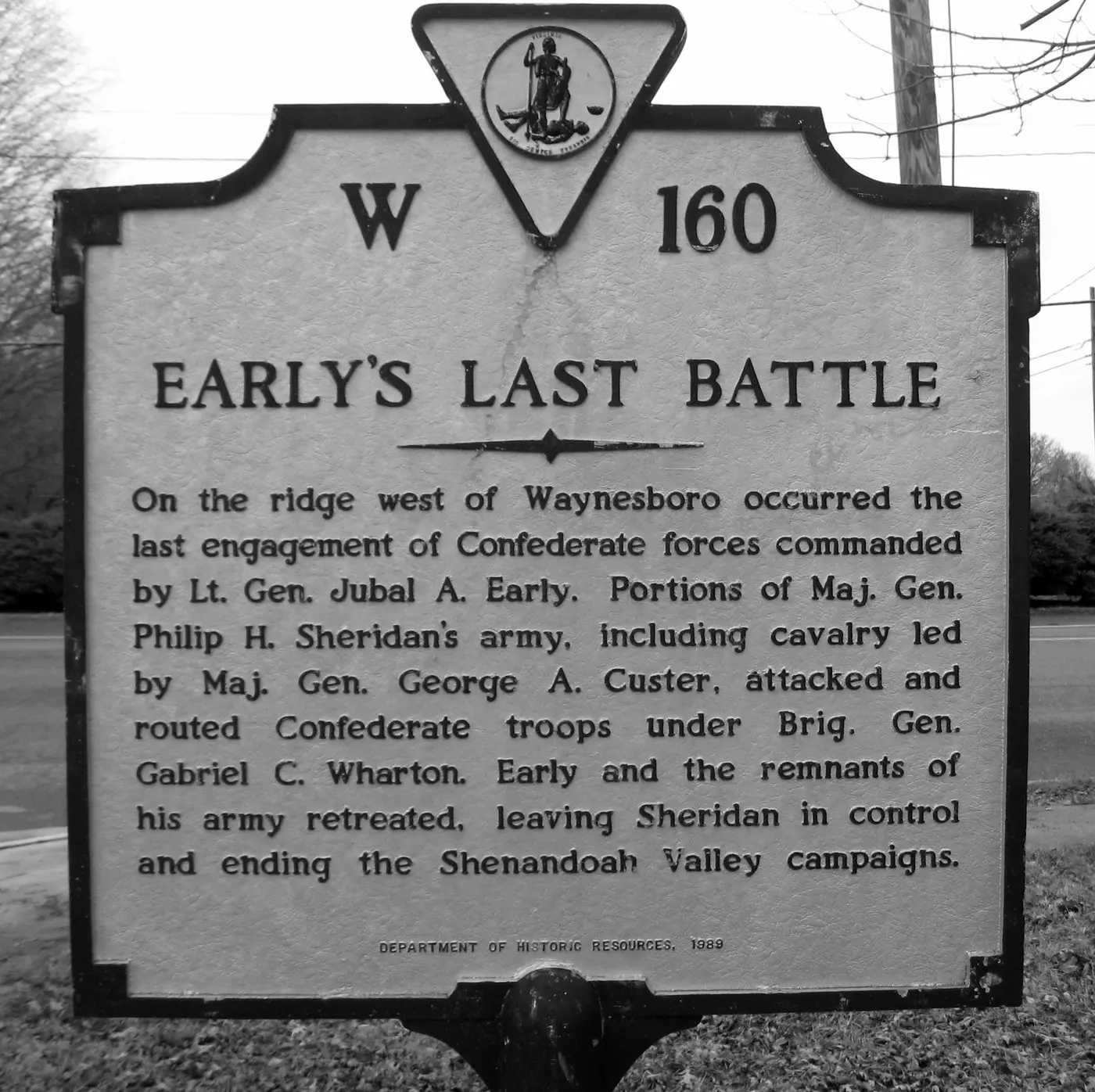
On March 2, 1865, the last significant military engagement in the Shenandoah Valley unfolded in Waynesboro. Union General Philip Sheridan, commanding two cavalry divisions, had departed Winchester on February 27 and moved southward up the Valley toward Staunton. Near Waynesboro, his forces encountered the remnants of Confederate General Jubal Early’s once-formidable Valley army.
What followed was a swift and decisive action. After a brief standoff, Federal cavalry launched an assault that rolled up Early’s right flank, scattering his small, exhausted force. More than 1,500 Confederate soldiers surrendered that day, effectively ending organized Confederate military operations in the Shenandoah Valley. Early himself managed to escape capture with only a handful of staff members, but his army had ceased to exist as a fighting force.
Sheridan’s cavalry didn’t stop there. Crossing the Blue Ridge Mountains to Charlottesville, they continued their raid southward, destroying critical infrastructure including the James River Canal locks near Goochland Court House. By March 26, Sheridan had reunited with the Army of the Potomac near Petersburg, just in time for the opening of the Appomattox Campaign that would ultimately end the war.
Preserving the Valley’s Civil War Legacy
The importance of Shenandoah Valley Civil War history cannot be overstated. Recognizing this, Congress designated eight counties in the region as the Shenandoah Valley Battlefields National Historic District in 1996. This national battlefield site preserves and interprets the region’s significant battlefields and related historic sites, ensuring future generations can connect with this pivotal chapter of American history.
The Shenandoah Valley Battlefields Foundation leads preservation efforts, working with partners to protect the hallowed ground where soldiers fought and died. The foundation also works to share the Valley’s Civil War story with visitors from across the nation and encourage tourism to these important historic sites.
Must-Visit Civil War Sites Near Waynesboro
Central Virginia is home to many fantastic museums and historical sites. Many of the area museums showcase Waynesboro’s connection to the Civil War.
The Plumb House Museum can easily be included in any walking tour of Waynesboro. Built during Thomas Jefferson’s presidency, this historic home is the oldest frame structure in the city, and it found itself directly in the path of the Battle of Waynesboro in March 1865. Today, the Waynesboro Heritage Foundation operates the museum, which houses an impressive collection of Civil War artifacts, Native American items, and everyday household objects from the era. Visitors can learn about the Plumb family, who owned the house for five generations, and experience what life was like during this tumultuous period.
Located just 30 minutes from Waynesboro in Port Republic, this museum occupies the historic Frank Kemper House, constructed between 1835 and 1845. Originally serving as both a residence and an inn for travelers and river boatmen, the house became central to several dramatic Civil War events.
The building witnessed Confederate General Turner Ashby’s body being brought here after his death near Harrisonburg on June 6, 1862. Two days later, the legendary Stonewall Jackson narrowly escaped capture in the village. The following day, June 9, saw the Battle of Port Republic rage nearby. Later, in June 1864, Union troops marched through the village, burning woolen mills on their way to the Battle of Piedmont.
The Society of Port Republic Preservationists purchased the building in 1992 and transformed it into a museum. In 2022, management transferred to the Shenandoah Valley Battlefields Foundation. The museum features exceptional exhibits across multiple themed rooms: the River Room (pre-Civil War era), the Turner Ashby Room (Civil War period), the Keeping Room (post-war to present), and the Discovery Room for visitor orientation and research.
About three miles east of Port Republic village, at the intersection of U.S. Route 340 and Ore Bank Road, the Port Republic battlefield still retains its wartime agrarian character. The Port Republic Battle Monument marks The Coaling site on Ore Bank Road, offering visitors a tangible connection to the events of June 1862.
Twenty minutes from Waynesboro in Verona, the Stonewall Brigade Museum (also known as the 29th Division Museum) tells an extraordinary story spanning nearly three centuries. This facility traces the history of the 116th Infantry Regiment from its Colonial Virginia Militia origins in 1741 through modern deployments.
During the Civil War, this unit earned the immortal name “The Stonewall Brigade.” The fabled unit saw action in the French and Indian Wars, the American Revolution, the War of 1812, the American Civil War, and the First and Second World Wars. The museum’s collections include artifacts and archival materials related to the 116th Infantry Regiment, the 29th Infantry Division and the U. S. Army.
Woodrow Wilson Presidential Library and Museum
Twenty minutes away in Staunton, this presidential library offers context for understanding the period from pre-Civil War through World War I. Visitors can explore Wilson’s birthplace, examine World War I exhibits, and view his Pierce-Arrow limousine while learning about how the Civil War shaped the world Wilson inherited.
Though the battlefield itself remains private property, a historical marker commemorates the Battle of Piedmont, fought on June 5, 1864. Union forces under General David Hunter, numbering 12,015 men, defeated 5,600 Confederate troops commanded by General W.E. Jones, who was killed in the action. The marker stands on the southbound side of Battlefield Road (Virginia State Route 603) in Augusta County, just south of the junction with Piedmont Road.
Planning Your Visit
Whether you’re a dedicated history enthusiast or simply curious about America’s past, the Civil War sites near Waynesboro offer unforgettable experiences. These museums, battlefields, and historic homes preserve not just artifacts and buildings, but the stories of courage, sacrifice, and endurance that defined this pivotal era. Take time to explore these remarkable sites and connect with the history that continues to shape our nation today.